Economics & Finance Trends - April 13, 2026
Geopolitical tensions, bond market volatility, and potential bank stock opportunities.
Economic Trend Analysis
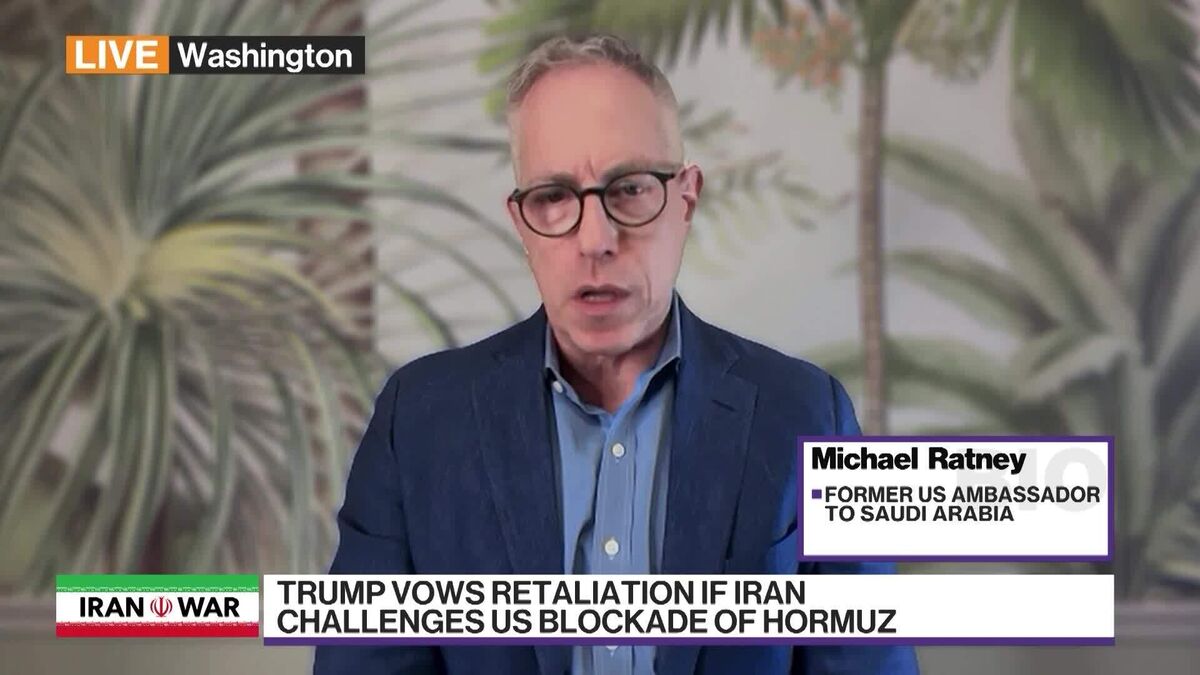
Geopolitical tensions and the persistent battle between inflation and recession fears are shaping the global economy on April 13, 2026. The potential for a US blockade of the Strait of Hormuz, as reported by Bloomberg, presents a significant risk. This action would not only disrupt oil supplies but could also trigger widespread economic shocks, dramatically affecting global energy prices and supply chains. Commodity traders already experienced substantial losses, amounting to "billions," in the early stages of the Iran conflict, as noted by the Financial Times. This highlights how sensitive markets are to instability in the Middle East. The impact extends beyond oil prices, influencing transportation costs, manufacturing inputs, and consumer spending across the globe. For investors and consumers, this translates to an increased risk of stagflation – a damaging combination of rising prices and stalled economic growth.
This volatile environment is clearly visible in bond markets, where a "tug of war" between inflation and recession expectations is unfolding, according to The Economist. Bond yields, which signal future interest rate expectations and economic health, have become highly unpredictable. Investors are torn between anticipating ongoing inflation, which would drive yields up, and preparing for an economic downturn, which typically leads investors to safer government bonds, pushing their yields down. This uncertainty complicates long-term investment planning. For example, a sudden surge in yields due to inflation concerns could diminish the value of existing bond portfolios, while a sharp decline indicating a recession could severely impact the returns for pension funds and insurance companies that depend on fixed income.
The broader economic consequences are significant. Ongoing geopolitical instability, combined with the inflation-recession dilemma, requires careful fiscal and monetary policy decisions. Central banks must navigate a delicate balance: tightening policy too aggressively to control inflation risks pushing economies into recession, while easing policy too much could allow inflation to escalate unchecked. The current situation demands decisions based not only on data but also on a deep understanding of geopolitical factors that can override conventional economic models. The possibility of supply chain disruptions, particularly from energy shocks, means businesses must focus on building resilience and diversifying their operations. Consumers, in turn, may need to prepare for sustained price increases and slower growth in their income.
References
- Ratney on Potential Impact of US Blockade of Hormuz - Bloomberg Markets
- Commodity traders lost ‘billions’ in early days of Iran war - Financial Times
- Inflation or recession? The tug of war in bond markets - The Economist
- Here are some bargain bank stocks heading into earnings season - MarketWatch
- MYX Finance (MYX) - CoinGecko
- Toncoin (TON) - CoinGecko
Related Posts
Economics & Finance Trends - April 29, 2026
AI's changing market dominance and investor uncertainty dominate today's financial landscape.
April 29, 2026Economics & Finance Trends - April 28, 2026
Analysis of LNG market shifts and surprising US corporate profit strength.
April 28, 2026Economics & Finance Trends - April 27, 2026
US profits defy global woes, India faces currency pressure, and tech supply chains tighten.
April 27, 2026