Economics & Finance Trends - April 11, 2026
Global trade shifts, tech valuations, and the true cost of travel take center stage.
Economic Trends: Shifting Global Tides and Consumer Pains
The global economic landscape, as of April 11, 2026, is undergoing significant transformations driven by policy shifts and evolving consumer behaviors. The "Liberation Day" initiative, initially promoted as a driver of economic freedom, is now creating unforeseen complexities in international trade, diverging from its original intentions. The Economist's analysis reveals how this policy has inadvertently fragmented supply chains and introduced new trade barriers, contradicting its promise of seamless commerce.
This fragmentation poses substantial challenges for businesses that depend on stable international trade flows. Companies now face a more intricate and potentially expensive network of tariffs and regulations. This complexity directly impacts profit margins, compelling businesses to strategically reassess their sourcing strategies and market access. Consequently, consumers may experience higher prices and reduced product availability as companies pass on these increased operational costs.
Simultaneously, the rapidly growing technology sector, with companies like Palantir in focus, is attracting intense scrutiny. The Financial Times reports that former President Trump is emphasizing Palantir's involvement in what he describes as "war," a narrative that coincides with attacks from short-sellers. This intersection of geopolitical commentary and financial market pressure highlights the unstable valuation environment for advanced technology firms.
This situation demonstrates that even highly innovative companies are susceptible to political influences and market doubt. Investors must balance the potential of new technologies against the risks of reputational damage or regulatory obstacles. The "war" narrative, while potentially enhancing a company's perceived strategic importance, also carries inherent risks and could alienate certain market segments or international partners.
On a more practical level, the actual cost of travel is facing increased scrutiny. MarketWatch points to the rising fees associated with economy airfare, with one commentator humorously suggesting potential charges for lavatory use. This observation underscores how airlines are actively pursuing additional revenue streams to mitigate operational challenges.
For the average traveler, this trend means the advertised ticket price is increasingly just the starting point. Budgeting for flights now requires a detailed consideration of every potential add-on, from seat selection to baggage fees, significantly increasing the overall cost of what appears to be a low-cost option. This pattern also reflects a broader trend in service industries where unbundling services, while offering perceived choice, often results in a higher total cost for a complete experience.
References
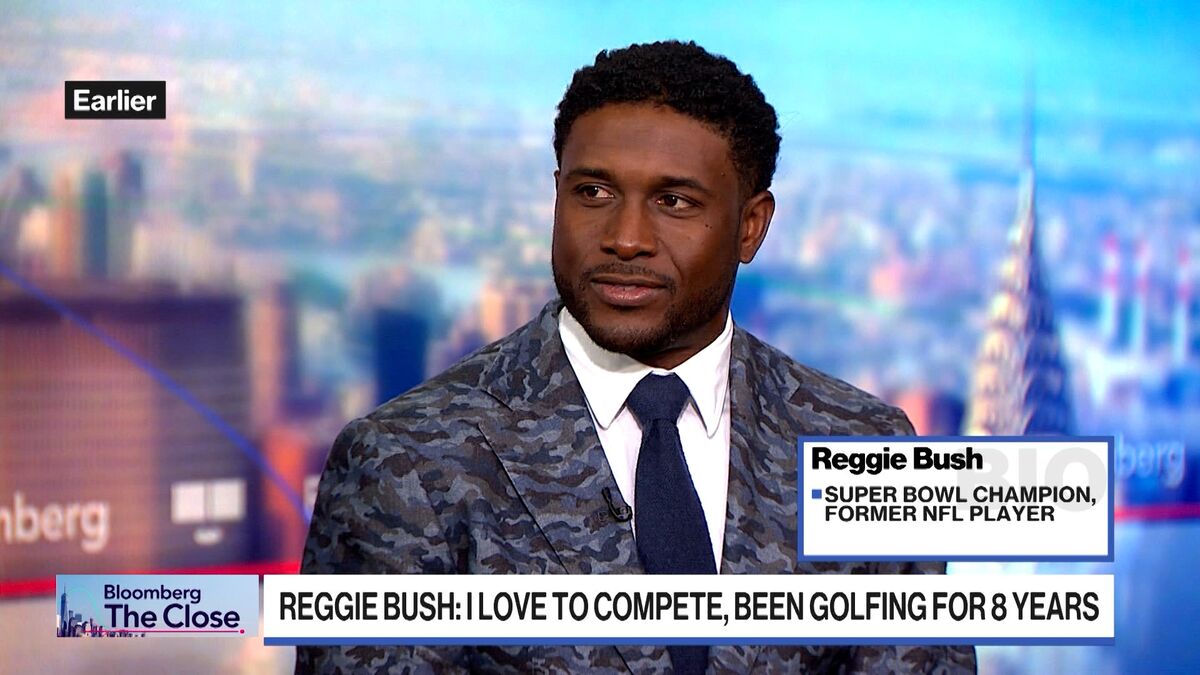
- Reggie Bush on Launching His Premiere Golf League, UAT - Bloomberg Markets
- Trump touts Palantir’s ‘war’ role after short seller attack - Financial Times
- “Liberation Day” has reshaped trade—but not as Donald Trump hoped - The Economist
- Here’s the real cost of economy airfare after all the fees. ‘What’s next — an add-on for access to the bathroom?’ - MarketWatch
- SOON (SOON) - CoinGecko
Related Posts
Economics & Finance Trends - April 29, 2026
AI's changing market dominance and investor uncertainty dominate today's financial landscape.
April 29, 2026Economics & Finance Trends - April 28, 2026
Analysis of LNG market shifts and surprising US corporate profit strength.
April 28, 2026Economics & Finance Trends - April 27, 2026
US profits defy global woes, India faces currency pressure, and tech supply chains tighten.
April 27, 2026