Economics & Finance Trends - March 31, 2026
Oil dips, trade talks falter, and a boomer's financial wisdom offers perspective.
Economic Trend Analysis
Geopolitical currents are reshaping global energy markets, with oil prices retreating on signals that a resolution to regional conflicts might bypass the critical Strait of Hormuz. This development, reported by Bloomberg Markets, suggests a potential decoupling of energy security from vital shipping lanes. For investors, this implies a need to recalibrate risk assessments, as the traditional geopolitical premium baked into oil prices may erode faster than anticipated. The "so what?" here is a shift away from simply monitoring naval movements to understanding the broader strategic landscape and its impact on supply chain resilience.
Meanwhile, the World Trade Organization finds itself at an impasse, as the US Trade Representative has publicly criticized the body following the collapse of e-commerce tariff negotiations, according to the Financial Times. This breakdown signals a deepening fragmentation in global trade policy, potentially leading to a more protectionist environment. Businesses reliant on cross-border digital commerce should brace for increased friction, higher tariffs, and a more complex regulatory patchwork. The implication is a move towards regional trade blocs and a more challenging environment for companies seeking seamless global expansion.
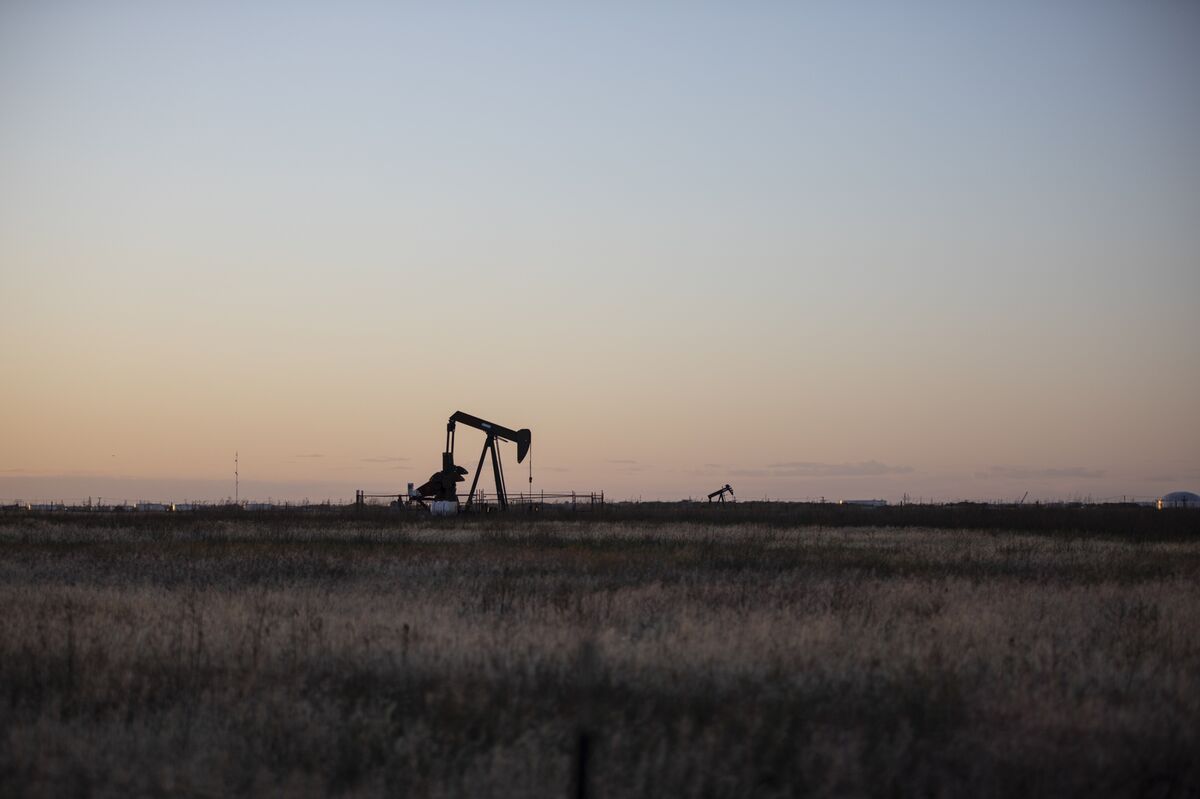
Even energy-rich nations like the United States are not immune to the sting of energy shocks, as The Economist highlights. Despite its status as a potential "petrostate," the article underscores that the global nature of energy markets means domestic consumers and industries still face volatility. This serves as a crucial reminder that energy independence is not an absolute shield against global price fluctuations. The broader lesson is that interconnectedness in energy markets remains a powerful force, impacting national economies regardless of their production capacity. Consumers, in particular, can expect continued price swings at the pump and for heating, directly influenced by international supply and demand dynamics.
Amidst these complex global shifts, a seemingly timeless piece of advice emerges from MarketWatch. A 73-year-old father shares his financial philosophy, rooted in early entrepreneurial experience like "shoveling sidewalks at 8 years old." This perspective, passed down to his children, emphasizes hard work, saving, and a pragmatic approach to money. In an era of rapid technological change and economic uncertainty, such foundational principles offer a valuable anchor. The insight is that while market dynamics evolve, the core tenets of financial prudence – diligence and foresight – remain remarkably constant and are critical for long-term personal economic well-being.
Market Insights
In the cryptocurrency sphere, a notable shift in market capitalization rankings brings Based (BASED), Frankencoin (ZCHF), and Sky (SKY) into focus. While specific market cap figures aren't provided, their rankings (635, 536, and 44 respectively) suggest a diverse landscape. Sky (SKY) at rank 44 indicates a more established presence, potentially attracting significant investor attention due to its higher visibility and liquidity. Conversely, Based and Frankencoin, occupying lower rungs, represent either nascent projects or those with more niche appeal, offering higher risk but potentially higher reward for intrepid investors willing to delve into their fundamentals.
The fragmented nature of the crypto market, with established players and emerging ventures, mirrors the broader economic trends discussed. Investors must conduct thorough due diligence, moving beyond simple rankings to understand the underlying technology, use case, and community support for each project. The implication for investors is clear: diversification across different tiers of the crypto market, from established assets to promising altcoins, could be a strategy, but only after rigorous analysis. The failure of WTO talks also adds a layer of uncertainty, as regulatory crackdowns or international policy shifts could disproportionately impact digital assets, making a cautious, informed approach paramount.
References
- Oil Turns Lower on Report US May End War Without Hormuz Opening - Bloomberg Markets
- US trade representative slams WTO after ecommerce tariff talks fail - Financial Times
- ‘I was shoveling sidewalks at 8 years old’: I’m a 73-year-old boomer dad with two kids. Here’s what I teach them about finance - MarketWatch
- America may be a petrostate. But the energy shock still hurts - The Economist
- Based (BASED) - CoinGecko
- Frankencoin (ZCHF) - CoinGecko
- Sky (SKY) - CoinGecko
Related Posts
Economics & Finance Trends - April 29, 2026
AI's changing market dominance and investor uncertainty dominate today's financial landscape.
April 29, 2026Economics & Finance Trends - April 28, 2026
Analysis of LNG market shifts and surprising US corporate profit strength.
April 28, 2026Economics & Finance Trends - April 27, 2026
US profits defy global woes, India faces currency pressure, and tech supply chains tighten.
April 27, 2026