Economics & Finance Trends - March 30, 2026
China's property sector woes and global energy market volatility impact economies worldwide.
Economic Trend Analysis
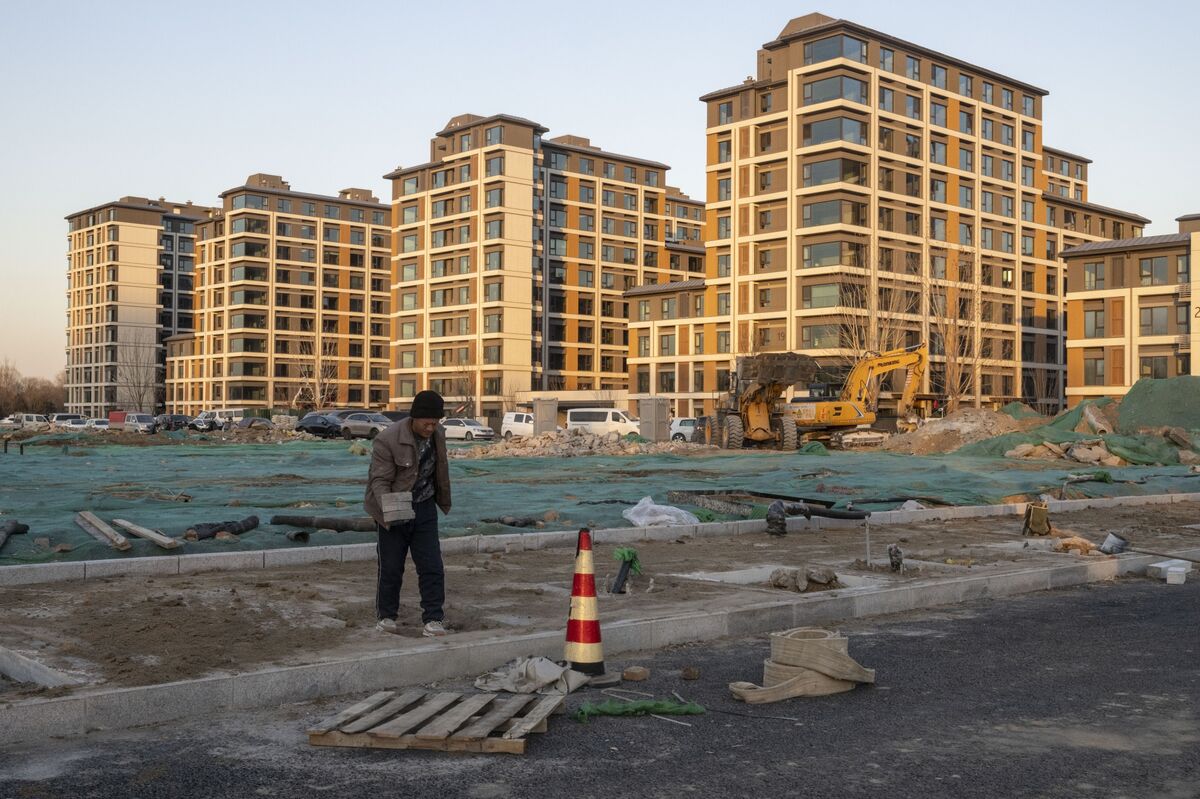
China's colossal real estate sector, long a bedrock of its economic growth, is showing undeniable cracks. Reports from Bloomberg Markets highlight how developers like China Vanke and Country Garden are grappling with persistent headwinds. This isn't just a localized issue; the sheer scale of China's property market means its struggles have ripple effects across global supply chains and financial markets. The implications are stark: a slowdown here could dampen demand for commodities and manufacturing, impacting economies far beyond Asia.
Adding a grimly surreal layer to China's property crisis, The Financial Times reports on a crackdown on "bone ash" burials in empty apartments. This bizarre practice underscores the depth of the housing oversupply and the desperation associated with unsold inventory. It's a stark visual metaphor for an economy wrestling with a fundamental imbalance, where even the deceased are being housed in vacant units. The social and economic costs of such a situation are immense, pointing to potential long-term stagnation if not addressed.
Meanwhile, the global energy landscape remains a volatile beast. The Economist poses the critical question: which country is the biggest loser from the ongoing energy shock? While the specific country isn't detailed in the provided snippet, the question itself is a red flag. Sustained high energy prices disproportionately hurt import-dependent nations, fueling inflation, squeezing consumer budgets, and potentially triggering economic downturns. For investors, this means heightened geopolitical risk and commodity price volatility that demand careful portfolio management.
These interconnected issues – a faltering property giant and an unpredictable energy market – create a complex operating environment. The "so what?" for investors and the general public is clear: expect continued economic uncertainty. Diversification becomes paramount, and a keen eye on geopolitical developments influencing energy prices is crucial. The days of predictable, steady growth may be on pause, replaced by a more challenging landscape demanding resilience and adaptability.
References
- China Vanke, Country Garden Navigate Persistent Property Headwinds - Bloomberg Markets
- China cracks down on ‘bone ash’ burials in empty apartments - Financial Times
- ‘This guy has no manners’: My Airbnb guest requested I buy bacon and beer. The $30 bill remains unpaid. Do I insist? - MarketWatch
- Which country is the biggest loser from the energy shock? - The Economist
- Core (CORE) - CoinGecko
Related Posts
Economics & Finance Trends - April 29, 2026
AI's changing market dominance and investor uncertainty dominate today's financial landscape.
April 29, 2026Economics & Finance Trends - April 28, 2026
Analysis of LNG market shifts and surprising US corporate profit strength.
April 28, 2026Economics & Finance Trends - April 27, 2026
US profits defy global woes, India faces currency pressure, and tech supply chains tighten.
April 27, 2026