Science & Technology News - March 29, 2026
Gut bacteria, whale booms, brain states, and Mars: This week's science highlights.
Brains on the Brink: Operating Near Criticality
The human brain, a marvel of biological computation, operates remarkably close to a critical point. This phase transition state, akin to water on the verge of boiling, allows for maximum flexibility and information processing. Researchers are now quantifying this phenomenon, suggesting that neural activity exhibits scale-invariant properties, meaning patterns repeat at different scales, a hallmark of criticality. This isn't just academic; understanding this delicate balance could unlock new avenues for treating neurological disorders characterized by suppressed or overactive states, like epilepsy or depression.
The implications are profound. If the brain's efficiency is tied to this proximity to criticality, then disruptions to this state could be the root cause of many neurological ailments. Therapeutic interventions might focus on nudging the brain back towards this optimal operating zone, potentially through targeted stimulation or even microbiome manipulation, given the emerging links between gut health and brain function.
Gut Bacteria: The Unseen Immune System Architects
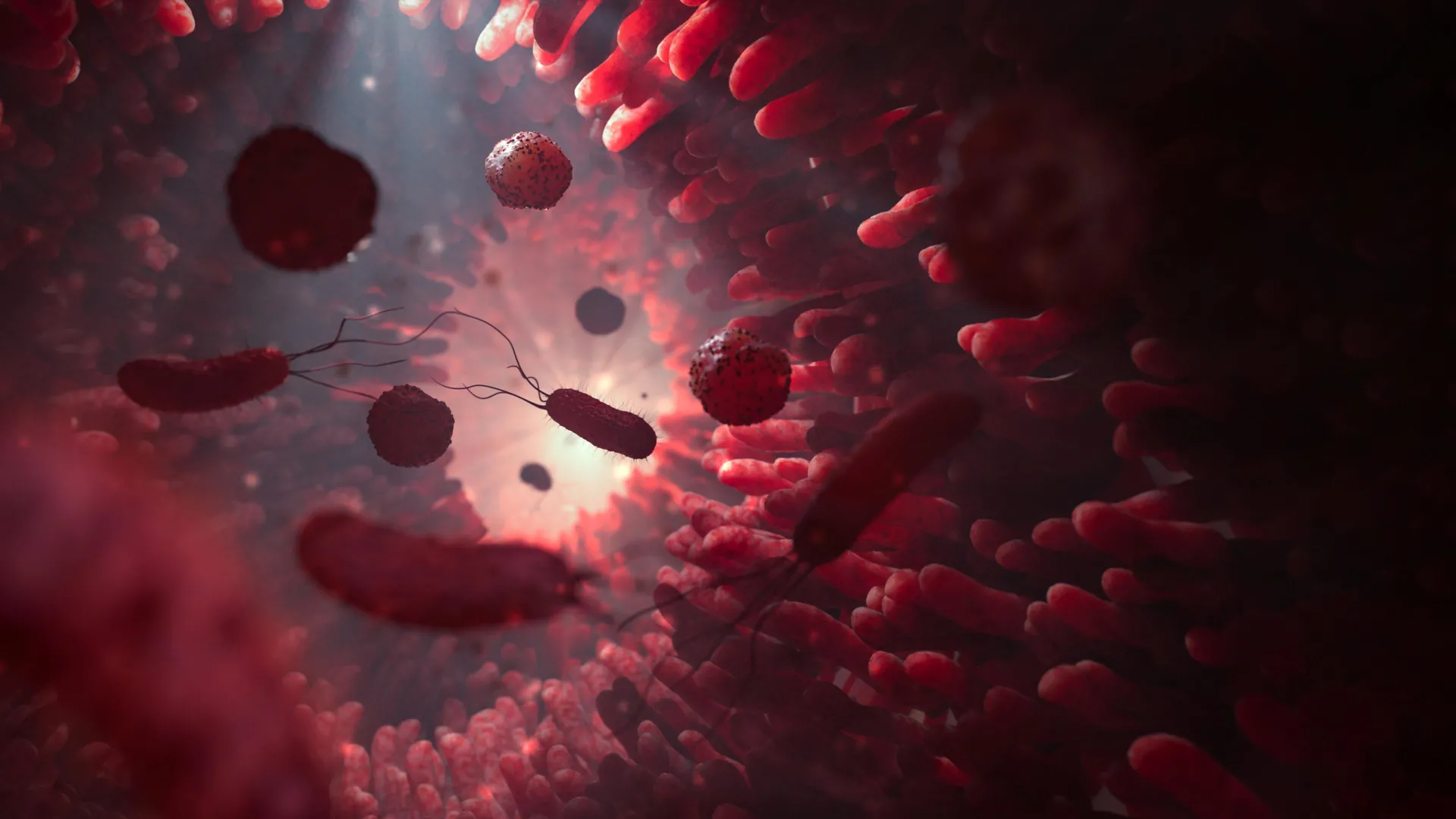
Our resident gut microbes are far more than passive bystanders; they are active manipulators of our immune defenses. New research reveals that certain gut bacteria inject proteins directly into host immune cells, effectively hijacking cellular machinery to influence immune responses. This direct molecular warfare means microbes can fine-tune inflammation, tolerance, and pathogen defense from within our own bodies.
This discovery reframes our understanding of health and disease. It suggests that many chronic inflammatory conditions, from autoimmune diseases to allergies, might be exacerbated or even initiated by these microbial infiltrations. The practical takeaway is immense: probiotics and fecal transplants could evolve from blunt instruments to precisely engineered therapies, delivering specific bacterial strains designed to counteract harmful protein injections or bolster beneficial ones. Imagine a future where your gut bacteria are prescribed like pharmaceuticals to manage your immune system.
A Fragile Resurgence for North Atlantic Right Whales
In a rare glimmer of hope, the North Atlantic right whale population is experiencing a baby boom, with dozens of new calves spotted. This surge, a stark contrast to years of decline, offers a much-needed reprieve for a species teetering on the brink of extinction, with fewer than 360 individuals remaining. While celebratory, this uptick is fragile and directly linked to improved conditions in critical feeding grounds off the coast of Nova Scotia.
However, the underlying threats remain. Entanglements with fishing gear and vessel strikes continue to decimate this population. The baby boom highlights the species' resilience when given a fighting chance, but it also underscores the urgent need for sustained conservation efforts. Without continued mitigation of human-caused mortalities, this demographic success could be short-lived, a mere blip before a tragic decline.
Timekeeping in the Deep: Jellyfish's Evolutionary Gambit
Evolutionary ingenuity is on full display in the deep sea, where certain jellyfish have evolved a unique internal clock, independent of external light cues. Unlike most organisms that rely on circadian rhythms tied to day-night cycles, these deep-sea dwellers maintain their internal timing through a complex biochemical process, likely a necessity in the perpetual darkness of their environment.
This finding challenges our assumptions about biological timekeeping. It suggests that life can devise sophisticated internal mechanisms for regulation and coordination even in the absence of the most obvious environmental synchronizers. For researchers, this opens up new avenues for studying the fundamental principles of biological clocks and their diverse evolutionary pathways. It could also offer insights into developing novel chronometers or understanding biological processes in extreme, light-deprived environments.
Mars Colonization: Grounded Realities vs. Sci-Fi Dreams
Even as plans for Mars colonization intensify, a prominent voice from the science fiction world is sounding a note of caution. Kim Stanley Robinson, author of the seminal 'Mars Trilogy,' dismisses the current enthusiasm for immediate Mars emigration as "bullshit." He argues that the immense technological, physiological, and psychological hurdles are being vastly underestimated, painting a picture of a premature and potentially disastrous undertaking.
Robinson's critique serves as a vital reality check. While the ambition to become a multi-planetary species is powerful, it risks overshadowing the practical challenges. The sheer cost, the radiation exposure, the psychological toll of isolation, and the ethical considerations of terraforming a planet are monumental. This perspective emphasizes that robust, long-term planning and technological maturation are essential before any serious consideration of human settlement on Mars can be made, shifting the focus from aspirational timelines to the hard engineering and scientific groundwork required.
Political Science: A Shift in Advisory Roles
In a move signaling a potential shift in how technology and academia influence policy, the new science advisory team reportedly comprises 12 technology chiefs and only one academic. This composition suggests a strong emphasis on industry expertise and practical application over purely theoretical or research-oriented perspectives. The implications for future science funding and policy direction could be significant, potentially prioritizing innovation and commercialization pathways.
The balance between industry-led innovation and academic research has always been a delicate one. This new advisory structure may accelerate the translation of technological advancements into policy, but it also raises questions about the role of fundamental, curiosity-driven research in shaping national scientific agendas. The long-term impact will depend on how effectively this diverse group can synthesize their varied experiences to address complex scientific and societal challenges.
References
- Scientists find gut bacteria inject proteins that control your immune system - Science Daily
- A North Atlantic Right Whale Baby Boom Is On—but the Species Remains at Risk - WIRED Science
- Human brain operates near, but not at, the critical point - Phys.org
- The Jellies That Evolved a Different Way To Keep Time - Quanta Magazine
- Trump’s new science advisers include 12 technology chiefs — and one academic - Nature
- Author of Red Mars calls 'bullshit' on emigrating to the planet - New Scientist
Related Posts
Science & Technology News - April 29, 2026
Data centers in space, quantum jamming, and 10,000 new exoplanets headline today's science.
April 29, 2026Science & Technology News - April 28, 2026
AI ethics, LLMs, and unexpected biological findings dominate this week's science and tech.
April 28, 2026Science & Technology News - April 26, 2026
AI threats, ancient immunity, climate mysteries, and more.
April 26, 2026