Science & Technology News - March 8, 2026
Cow tool use, Alzheimer's inflammation, fatty liver relief, and more.
Main Heading: Health, Cognition, and the Unexpected in Science
The scientific landscape this week offers a fascinating blend of the profound and the peculiar, touching upon potential breakthroughs in chronic disease, the intricate mechanisms of neurodegeneration, and even the surprising cognitive abilities of farm animals.
Research Insights: From Alzheimer's Clues to Liver Support
Mounting evidence suggests inflammation plays a far more significant role in Alzheimer's disease than previously understood, a point underscored by recent discussions in New Scientist. This isn't just about the brain's immune response; it points towards a cascade of inflammatory processes potentially triggering neuronal damage and amyloid plaque formation. The implication here is potent: interventions aimed at reducing systemic or specific brain inflammation could offer a novel therapeutic avenue. While the exact mechanisms are still being unraveled, this shifts the paradigm from solely focusing on protein buildup to a broader, more manageable inflammatory control.
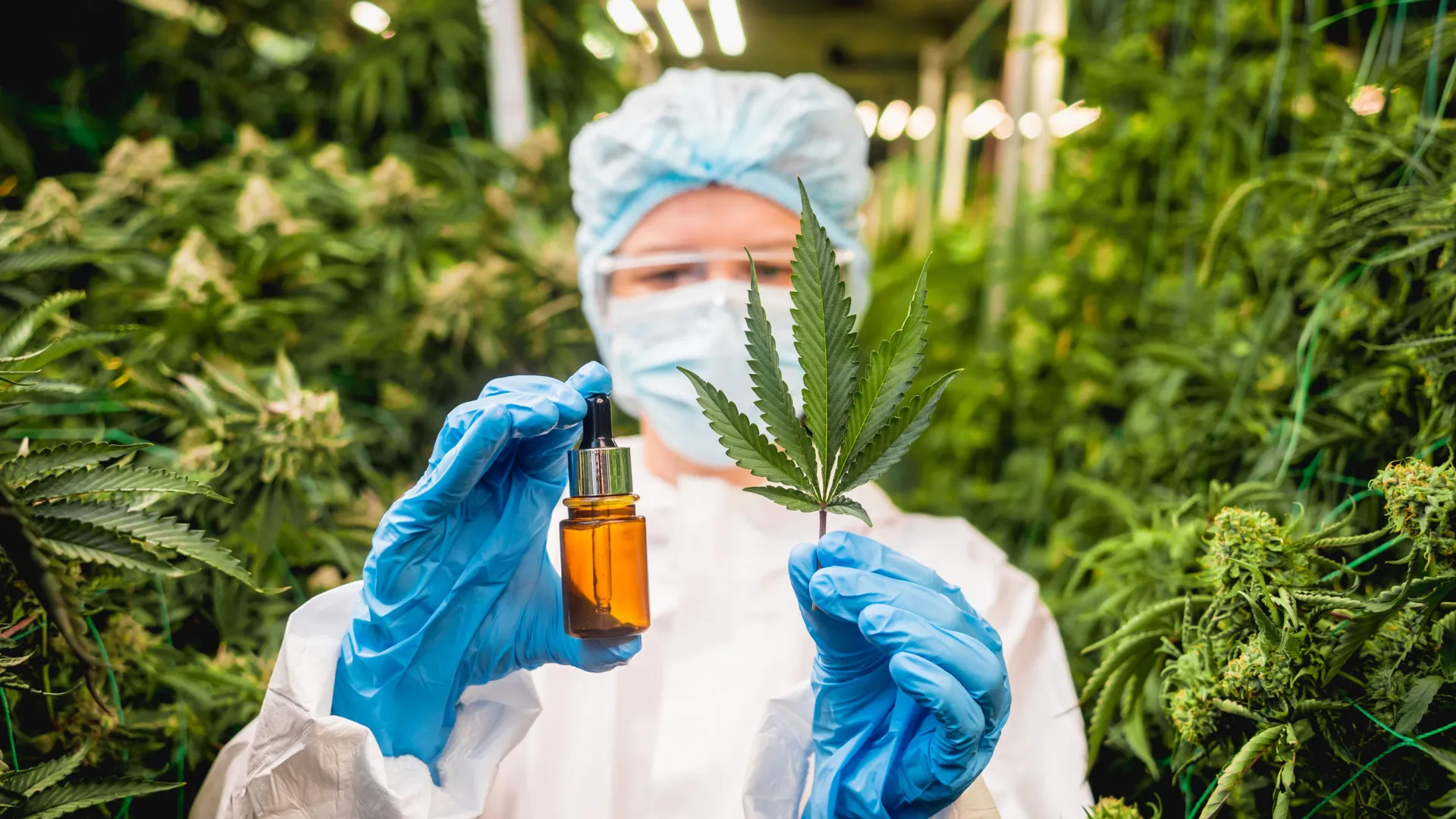
Meanwhile, a promising development emerges from Science Daily regarding cannabis compounds CBD and CBG, which preliminary studies suggest may help reverse fatty liver disease. Non-alcoholic fatty liver disease (NAFLD) affects millions globally, driven by lifestyle factors and often leading to serious complications like cirrhosis. Identifying natural compounds that can mitigate this condition without severe side effects is a significant public health goal. If these findings hold up in human trials, they could offer a less invasive, more accessible treatment option compared to current lifestyle interventions alone.
Nature's exploration into women's health across the body highlights a critical gap in research and understanding. Historically, medical research has often defaulted to male physiology as the standard, leading to potential blind spots in diagnosing and treating conditions in women. This broad overview emphasizes the need for a more holistic, sex-specific approach to medical science, ensuring that treatments and diagnostic tools are equally effective for everyone. The "uncharted" territory suggests that many physiological differences, from cardiovascular responses to drug metabolism, may have been overlooked, impacting patient outcomes.
Behavioral Anomalies and Natural Remedies
WIRED reports on a remarkable observation: a cow named ‘Veronika’ exhibiting tool use. This behavior, traditionally associated with primates and some birds, challenges our assumptions about animal cognition. Veronika has been observed using a stick to scratch an itch, a complex action requiring planning and an understanding of cause and effect. This finding could spark a wave of research into the cognitive capabilities of livestock, potentially influencing animal welfare practices and our broader understanding of intelligence in the animal kingdom. It forces us to reconsider the boundaries we've drawn around complex behaviors.
Phys.org highlights the potent anti-microbial properties of mixed-flower Australian honey. This isn't just any sweetener; specific floral compositions in honey can yield significantly stronger germ-fighting capabilities. This research taps into the long-standing medicinal use of honey, providing scientific validation for its therapeutic potential. The implication for public health is substantial, especially in an era of rising antibiotic resistance. Harnessing these natural antimicrobial agents could lead to new topical treatments or adjunct therapies for wound care and infections, offering a nature-based solution.
Tech Impact and Future Outlook
The convergence of these findings points towards several significant technological and medical impacts. Advances in genomic sequencing and AI-driven drug discovery will be crucial for isolating and synthesizing the active compounds in cannabis and honey, accelerating their path to clinical application. The push for better understanding of women's health will necessitate the development of more sophisticated diagnostic tools and personalized medicine platforms that account for biological sex differences. Furthermore, the observation of tool use in cows, if replicated and studied further, could spur innovations in animal behavior monitoring technologies, perhaps utilizing advanced sensors and machine learning to detect subtle cognitive shifts or needs in livestock. The potential for natural remedies, like specialized honeys, could also drive new approaches in biomaterial development and natural product extraction.
Ultimately, this week's science news reminds us that understanding the world – whether it's the intricate workings of the human brain, the complex ecology of a beehive, or the surprising intellect of a farm animal – requires constant curiosity and a willingness to challenge existing paradigms. The "so what?" is clear: these diverse threads of research collectively push the boundaries of our knowledge, promising tangible benefits for human health, animal welfare, and our fundamental understanding of life itself.
References
- Uncharted: Understanding women’s health across the body - Nature
- Cannabis compounds CBD and CBG may help reverse fatty liver disease, study finds - Science Daily
- ‘Veronika’ Is the First Cow Known to Use a Tool - WIRED Science
- Inflammation might cause Alzheimer's – here's how to reduce it - New Scientist
- Mixed-flower Australian honey packs a stronger anti-microbial punch - Phys.org
- The Man Who Stole Infinity - Quanta Magazine
Related Posts
Science & Technology News - April 29, 2026
Data centers in space, quantum jamming, and 10,000 new exoplanets headline today's science.
April 29, 2026Science & Technology News - April 28, 2026
AI ethics, LLMs, and unexpected biological findings dominate this week's science and tech.
April 28, 2026Science & Technology News - April 26, 2026
AI threats, ancient immunity, climate mysteries, and more.
April 26, 2026