Economics & Finance Trends - February 10, 2026
Global markets brace for Japan's $6T portfolio shift; France navigates political tightrope.
Navigating The Shifting Sands: Global Markets & Political Undercurrents
Japan's $6 trillion foreign portfolio is poised to become the epicenter of global financial tremors. The Economist highlights a pivotal moment as Japanese investors, historically conservative, re-evaluate their massive overseas holdings. This isn't just a domestic story; it's a seismic event for international markets that have long benefited from this steady flow of capital.
The sheer scale of this portfolio – approximately $6 trillion – means any significant repatriation or reallocation could trigger substantial currency fluctuations and impact asset prices worldwide. Think of it as a colossal ship changing course; the wake will be felt far and wide. For investors, this signals a critical need to reassess global diversification strategies and prepare for potential volatility in previously stable markets.
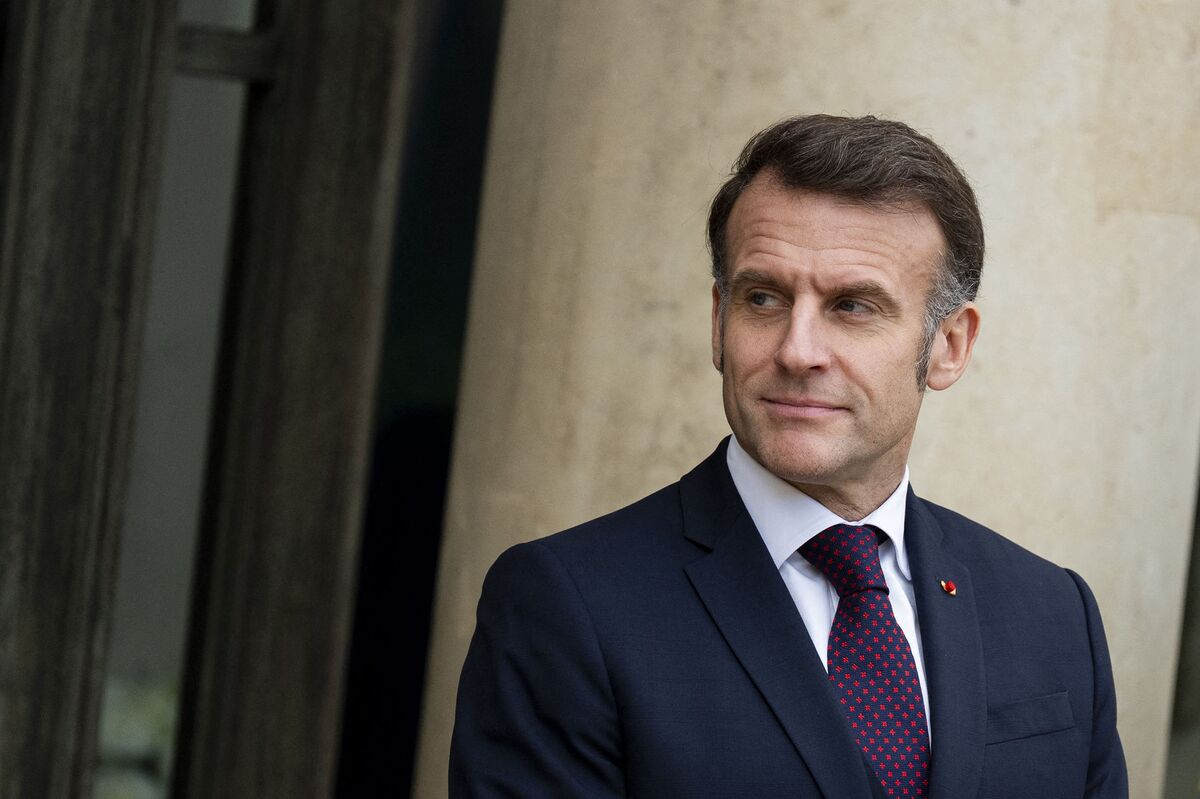
Meanwhile, across the Channel, France finds itself at a delicate political and economic crossroads. Bloomberg Markets points to President Macron's opportunity to fortify the nation against the rising tide of populist sentiment, often embodied by figures like Marine Le Pen. The sting of economic hardship, especially for everyday citizens, fuels this discontent.
The MarketWatch anecdote about a heating engineer's incomplete repair and subsequent billing dispute, while seemingly trivial, encapsulates the micro-level frustrations that can aggregate into macro-political shifts. When basic services become sources of contention and financial strain, trust erodes, and voters look for radical alternatives. Macron's administration must demonstrate tangible economic improvements and a commitment to fairness to rebuild public confidence and offer a compelling counter-narrative to nationalist appeals.
This interplay between large-scale financial maneuvers and the granular realities of household economics creates a complex global landscape. The return of a key figure like Michael Grimes to Morgan Stanley after a stint in the Trump administration, as reported by the Financial Times, also signals a potential shift in strategic thinking within the investment banking sector. Such moves often presage changes in deal-making, M&A activity, and overall market strategy, adding another layer of complexity for those trying to chart a course through these turbulent times.
The implications are clear: vigilance and adaptability are paramount. Investors must monitor Japanese capital flows closely, while policymakers globally need to address the underlying economic anxieties that drive political instability. The days of predictable, low-volatility markets may be behind us, replaced by an era demanding sharper analysis and more robust risk management.
Market Insights: Beyond the Headlines
The narrative surrounding Japan's $6 trillion portfolio isn't just about capital flight or repatriation; it's about a fundamental re-evaluation of risk appetite among one of the world's largest investor bases. For decades, Japanese investors have been net purchasers of foreign assets, seeking yield and diversification. Now, with global interest rates normalizing and domestic economic prospects showing signs of life, the calculus is shifting.
This could translate into increased demand for Japanese domestic assets, potentially boosting the Nikkei and Yen. Conversely, it might mean a significant sell-off in U.S. Treasuries or European equities, creating buying opportunities for others or, more ominously, driving down prices. The key takeaway for investors is to anticipate these shifts and position accordingly, perhaps by reducing exposure to assets heavily reliant on Japanese capital.
Furthermore, the political undercurrents in France and elsewhere serve as a stark reminder that economic policy cannot be divorced from social sentiment. When citizens feel economically marginalized, they are more susceptible to populist promises, regardless of their economic feasibility. The challenge for leaders like Macron is to deliver inclusive growth that demonstrably benefits the majority, not just a select few. Failure to do so risks further polarization and instability, which inevitably spills over into financial markets through policy uncertainty and reduced investor confidence.
The subtle art of economic stewardship lies in balancing the demands of global capital with the quiet desperation of the common household.
This dual focus – on the macro financial flows and the micro economic well-being of citizens – is crucial for navigating 2026. The return of experienced dealmakers like Grimes to Wall Street might indicate a belief that opportunities will emerge from this complexity, but they will require a keen understanding of both the intricate financial mechanics and the volatile socio-political climate.
References
- Macron Gifted Chance to Make France More Le Pen-Proof - Bloomberg Markets
- The fate of Japan’s $6trn foreign portfolio rattles global markets - The Economist
- Michael Grimes returns to Morgan Stanley after Trump administration stint - Financial Times
- ‘I’m not made of money’: My heating engineer didn’t fix my radiators on his first visit. Do I pay him a second time? - MarketWatch
Related Posts
Economics & Finance Trends - April 3, 2026
Market cracks widen, inflation looms, while crypto sees minor shifts.
2026년 4월 3일Economics & Finance Trends - April 2, 2026
China's cash drain, US pharma tariffs, Intel's rebound, and inflation fears dominate.
2026년 4월 2일Economics & Finance Trends - April 1, 2026
AI, Geopolitics, and Energy Markets Shape Today's Financial Landscape
2026년 4월 1일