Economics & Finance Trends - February 7, 2026
Geopolitical jitters, tech antitrust, and currency woes shape markets.
Navigating a World of Shifting Sands: Markets on Edge
Geopolitical tensions are injecting a potent dose of volatility into global oil markets, with the elevated risk of a U.S. military strike against Iran this weekend sending tremors through the sector. This isn't just about supply disruptions; it's about the ripple effect on inflation expectations and industrial output worldwide. A sudden escalation could easily push crude prices past the $90 per barrel mark, a level that would force central banks to reconsider their easing policies sooner rather than later. Investors are right to be on edge, scrutinizing every bulletin from the Middle East.
The economic implications are stark. Higher energy costs act as a regressive tax, disproportionately impacting lower-income households and potentially dampening consumer spending across developed economies. For businesses, it means increased operational costs, impacting profit margins and potentially leading to further price hikes. This creates a tricky balancing act for policymakers, who are already grappling with post-pandemic recovery and navigating the complex interplay of fiscal and monetary tools.
Meanwhile, the U.S. antitrust review of Netflix's proposed $83 billion acquisition of Warner Bros. signals a renewed regulatory crackdown on media consolidation. This isn't merely a domestic concern; it sends a clear message to tech giants globally that the era of unchecked expansion through mega-mergers may be drawing to a close. The sheer scale of this deal, aiming to reshape the streaming and content landscape, has naturally attracted the attention of regulators fearing a monopolistic stranglehold on intellectual property and consumer choice.
The "so what?" for investors is clear: Companies operating in the media and entertainment space, particularly those reliant on content acquisition or facing increased competition, will need to navigate a more complex regulatory environment. The potential for this deal to be blocked, or significantly altered, creates uncertainty and could impact Netflix's strategic growth trajectory and its ability to compete with rivals on content volume and exclusivity.
Adding to the global economic narrative, The Economist probes the persistent weakness of the Japanese yen. Despite global economic shifts, the yen remains stubbornly undervalued, a puzzle for many. This sustained weakness has profound implications for Japan's trade balance, making its exports cheaper but significantly increasing the cost of imports, including vital energy resources.
The yen's plight is a complex interplay of factors, including the Bank of Japan's ultra-loose monetary policy contrasting sharply with tightening cycles elsewhere, and global investor sentiment. For Japan, a weaker yen can boost tourism and export-driven industries, but it also fuels imported inflation and erodes purchasing power for its citizens. The long-term implications for Japan's economic competitiveness and its role in the global financial system are significant, potentially impacting everything from foreign investment flows to the attractiveness of Japanese assets.
Market Insights: Prediction Markets and Portfolio Plays
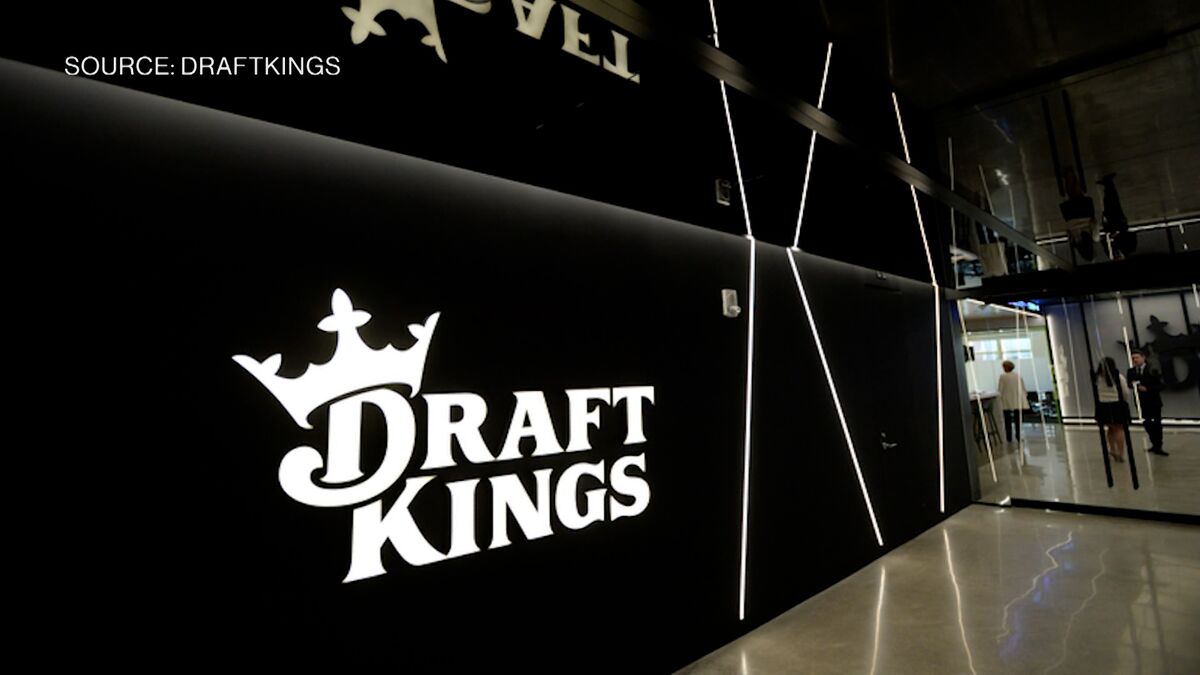
DraftKings' expansion into prediction markets via a partnership with Crypto.com marks a significant convergence of the traditional sports betting industry with the burgeoning digital asset space. This move isn't just about offering new betting avenues; it's about leveraging blockchain technology to create more transparent and potentially liquid markets for forecasting future events. The integration with Crypto.com suggests a strategic play to tap into the crypto-native user base and explore novel financial instruments.
The implication here is a potential mainstreaming of prediction markets, moving beyond niche enthusiast circles. For investors, this could signal new avenues for hedging or speculating on a wider array of outcomes, from sports results to economic indicators. It also raises questions about regulatory oversight in this evolving intersection of gaming, finance, and cryptocurrency.
While specific cryptocurrency market data is unavailable today, the broader trend of traditional finance entities exploring and integrating with digital assets continues. This suggests a maturing crypto market, increasingly viewed not just as a speculative asset class but as a technological infrastructure with diverse applications. Investors should watch for further collaborations that bridge the gap between Web2 and Web3, potentially unlocking new value and use cases.
The interplay between geopolitical risk, regulatory scrutiny, and technological innovation is defining the current investment landscape. Understanding these interconnected forces is crucial for navigating the opportunities and challenges that lie ahead.
References
- DraftKings Expands Prediction Markets With Crypto.com - Bloomberg Markets
- Why is the yen still so weak? - The Economist
- US launches antitrust review of $83bn Netflix deal for Warner Bros - Financial Times
- Oil markets are on edge over elevated risks of a U.S. military strike against Iran this weekend - MarketWatch
Related Posts
Economics & Finance Trends - April 3, 2026
Market cracks widen, inflation looms, while crypto sees minor shifts.
2026년 4월 3일Economics & Finance Trends - April 2, 2026
China's cash drain, US pharma tariffs, Intel's rebound, and inflation fears dominate.
2026년 4월 2일Economics & Finance Trends - April 1, 2026
AI, Geopolitics, and Energy Markets Shape Today's Financial Landscape
2026년 4월 1일