South Korea Unveils AI Transparency Guidelines Amidst Security Concerns
New AI transparency guidelines aim to foster trust and address supply chain risks.
South Korea Charts a Course for AI Transparency and Security
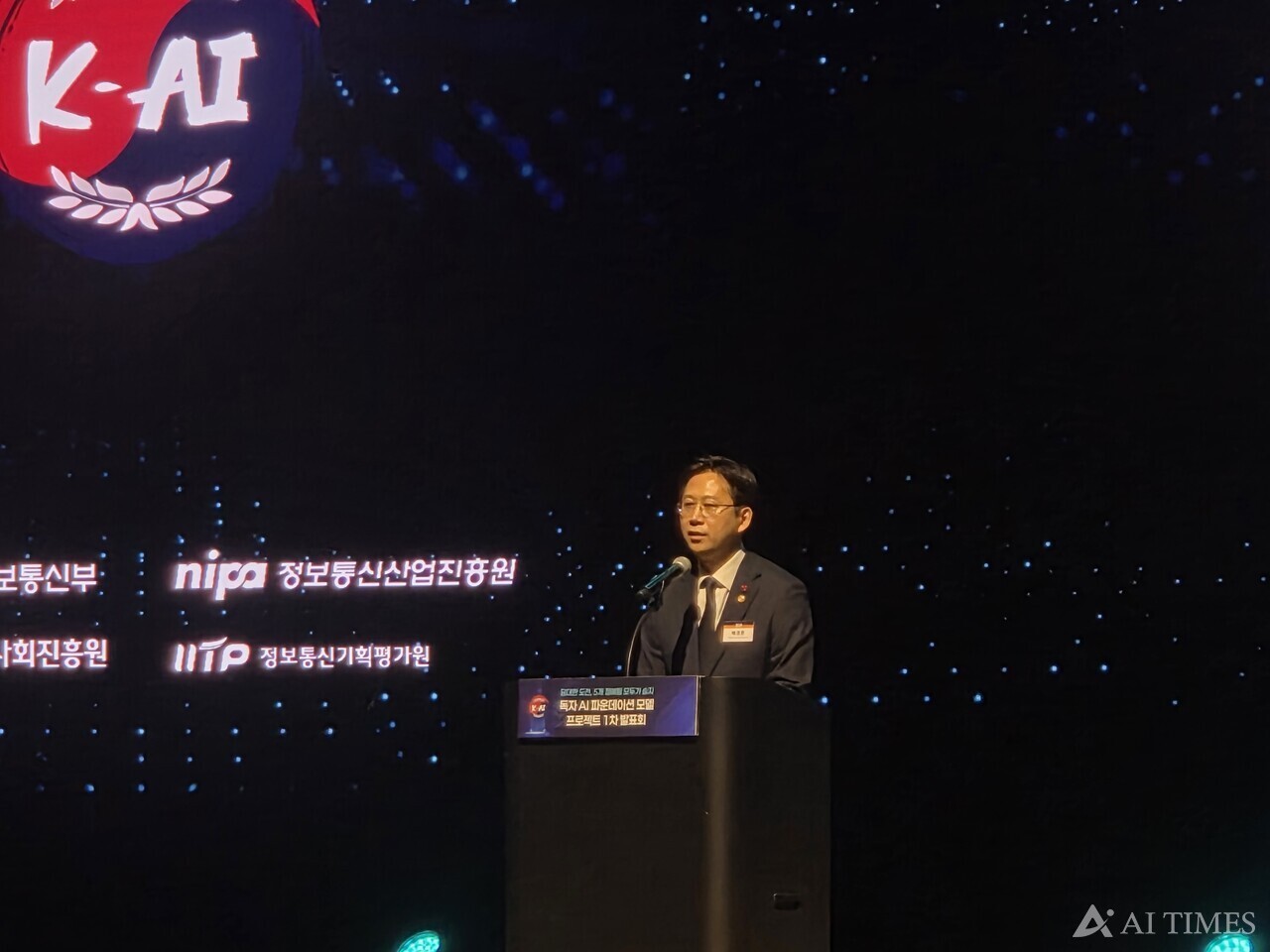
South Korea has officially launched its AI Transparency Guidelines, a move designed to bolster trust in artificial intelligence systems and codify best practices for developers and businesses. Announced by the Ministry of Science and ICT (MSIT), these guidelines are rooted in the recently enacted AI Development and Trust Foundation Act, which commenced its one-year grace period on January 22, 2026. The proactive release, following extensive industry consultation, signals a significant step toward integrating AI responsibly into the national digital infrastructure.
The broader implication here is a governmental push to establish clear benchmarks in a rapidly evolving AI landscape. By providing concrete steps for compliance, the MSIT aims to accelerate AI innovation while mitigating inherent risks. This initiative directly addresses the growing complexity of AI development, where reliance on open-source models and third-party components is becoming the norm.
Navigating the AI Supply Chain Minefield
The increasing use of open-source AI models and the practice of fine-tuning external models for specific services present a double-edged sword. While fostering rapid development and accessibility, this interconnected ecosystem introduces critical vulnerabilities. As highlighted by Network Security experts, the provenance of AI models and the underlying data, adherence to licensing agreements, and the potential for malicious code injection through shared files are becoming paramount concerns. The current trend sees companies integrating external models, a practice that amplifies these risks exponentially.
"As uncertainties surrounding AI models and data grow, the focus should shift from outright blocking to establishing clear verification standards to accelerate progress."
The core challenge lies in ensuring the integrity of the entire AI supply chain. Without robust verification mechanisms, organizations risk deploying compromised or non-compliant AI systems, undermining user trust and potentially leading to significant security breaches. The guidelines are expected to provide a framework for assessing the safety and reliability of these external components, thereby enabling faster, more secure AI adoption.
The Dual Mandate: Trust and Innovation
The AI Transparency Guidelines represent a delicate balancing act between fostering innovation and ensuring public trust. The AI Basic Law's grace period allows the industry time to adapt, but the underlying intent is clear: AI development must be conducted with a commitment to transparency and accountability. This approach acknowledges that regulatory frameworks cannot simply react to technological advancements; they must proactively shape an environment where AI can flourish safely.
The future outlook suggests that similar regulatory frameworks will likely emerge globally, driven by the same concerns over AI safety and ethical deployment. South Korea's initiative, by providing a tangible set of guidelines, offers a potential blueprint for other nations grappling with the complexities of AI governance. The success of these guidelines will hinge on their practical implementation and the industry's willingness to embrace transparency as a foundational element of AI development, ultimately paving the way for more trustworthy and secure AI applications.
References
- AI 모델 혁신의 최소 조건은 공급망 보안…“기준 명확해야 속도 낸다” - Byline Network
- 과기부, ‘AI 투명성 확보 가이드라인’ 공개 - AI Times
Related Posts
Valve's New Steam Controller: A Mixed Bag
Valve's second-gen Steam Controller lands with solid improvements but a hefty price tag.
April 28, 2026AI Security Shakes: OpenAI, Anthropic Face Data, Legal, and Ethical Storms
OpenAI and Anthropic grapple with security breaches, legal battles, and ethical fallout.
April 27, 2026Foldables Expand, Apple Deals Abound, Pixel Leaks Surface
The latest in smartphones: Samsung's wider foldables, Pixel hardware rumors, and Apple deals.
April 27, 2026