World News Briefing - January 31, 2026
Global tensions escalate with US trade threats, China's port dispute, and Venezuela's uncertain future.
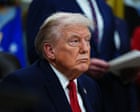
Main Heading: Shifting Sands of Global Power
The geopolitical chessboard is in flux, with major players flexing their economic and political muscles. Today's headlines reveal a world grappling with escalating trade disputes, resource politics, and the persistent instability of nations.
Trump's Tariff Gambit: Targeting Cuba's Oil Lifeline
Former President Trump's threat to impose tariffs on goods from nations supplying oil to Cuba signals a potential escalation of economic pressure, aiming to isolate Havana further. This move, if enacted, wouldn't just impact Cuba; it would create ripples through global energy markets and complicate trade relationships for any country daring to defy the US stance. The underlying message is clear: the US is willing to wield its economic might to enforce its foreign policy objectives, potentially triggering retaliatory measures and disrupting established trade flows.
For the tech industry, this means increased supply chain volatility. Companies reliant on global shipping and diversified sourcing could face unexpected costs and logistical headaches. Furthermore, it highlights the growing trend of "weaponized" trade policy, where economic tools are used for geopolitical leverage, a dynamic that demands constant monitoring by businesses operating internationally.
China's Panama Port Standoff: A Test of Maritime Law
China's vow to take "necessary action" following a ruling against its presence at a Panamanian port underscores the growing assertiveness of Beijing on the global stage. While details remain scarce, this dispute over port access is more than just a local disagreement; it's a potential flashpoint in China's expanding maritime influence and its adherence to international norms. The ruling itself likely stems from legal or contractual disputes, but China's reaction frames it as an affront to its interests.
The implications here are significant for global logistics and freedom of navigation. Ports are critical nodes in the world's trade network, and disputes over their control can choke off vital shipping lanes. For tech companies, this translates to potential disruptions in the movement of goods, from components to finished products, and raises questions about access to strategically important maritime infrastructure. It also signals Beijing's readiness to defend its economic and strategic interests, potentially leading to broader regional tensions.
Venezuela's Precarious Path Forward
What's next for Venezuela? is a question that continues to loom large, with the nation caught in a protracted cycle of political turmoil and economic collapse. Years of mismanagement and international sanctions have devastated its infrastructure and its people. The ongoing struggle for power and the humanitarian crisis demand attention, but a clear path to recovery remains elusive. The nation's vast oil reserves, once a source of immense wealth, are now a symbol of its lost potential.
The instability in Venezuela has direct consequences for the global energy market, even if its production has plummeted from its former heights. Its situation serves as a stark case study in failed state dynamics and the devastating impact of political instability on economic development. For international businesses, it represents a high-risk environment, deterring investment and complicating any potential future engagement. The prolonged crisis also fuels regional migration, creating additional social and economic pressures for neighboring countries.
Global Insights: Tech's New Frontier is Friction
The current geopolitical landscape is defined by increasing friction and fragmentation. From trade wars to resource disputes, nations are employing more aggressive tactics to secure their interests. This isn't just about traditional power plays; it's increasingly about controlling the flow of data, technology, and vital resources.
-
Economic Nationalism on the Rise: We're seeing a clear trend towards protectionist policies and a willingness to use economic tools as weapons. This directly impacts global supply chains, forcing tech companies to re-evaluate their sourcing and manufacturing strategies. The era of seamless globalization appears to be giving way to a more fragmented, regionalized approach.
-
Resource Security Takes Center Stage: Control over critical resources, whether it's energy, rare earth minerals, or even agricultural land, is becoming a paramount concern for national security. This will inevitably lead to more competition and potential conflicts, influencing investment in new technologies and infrastructure.
-
The Digital Divide Widens: As geopolitical tensions rise, so too does the risk of a splintering digital world. Countries are increasingly looking to control their own digital infrastructure and data flows, potentially leading to different internet ecosystems and standards. This presents both challenges and opportunities for tech companies navigating these evolving landscapes.
-
The "So What?" for Tech: The tech industry can no longer operate in a geopolitical vacuum. Adaptability and resilience are paramount. Companies must anticipate regulatory shifts, diversify their operations, and understand the complex interplay between technology, trade, and national interests. The future of innovation will be shaped by these global fault lines.
References
- Trump threatens tariffs on goods from countries that sell oil to Cuba - The Guardian
- China to take 'necessary action' after Panama port ruling - Deutsche Welle
- What’s next for Venezuela? - Al Jazeera
Related Posts
World News Briefing - April 29, 2026
Global security and infrastructure concerns dominate today's headlines.
April 29, 2026World News Briefing - April 28, 2026
AI ethics, geopolitical tensions, and electoral battles dominate global headlines.
April 28, 2026World News Briefing - April 27, 2026
Analysis of UK's Falklands stance, Colombia-Venezuela talks, and Iran's US power limits.
April 27, 2026