Economics & Finance Trends - January 30, 2026
Geopolitical rifts widen, shaking investor confidence across asset classes.
Economic Trend Analysis
Geopolitical fault lines are deepening, creating significant headwinds for global markets. The Trump administration's veiled threat to 'decertify' Canadian aircraft signals a sharp escalation in trade disputes, moving beyond tariffs to outright industrial sabotage. This isn't just about aerospace; it's a potent message that the US is willing to weaponize trade policy to achieve its objectives, potentially triggering retaliatory measures from Ottawa and destabilizing supply chains that have long relied on North American integration. The implications for industries dependent on cross-border manufacturing could be severe, forcing companies to re-evaluate their operational footprints and contingency plans.
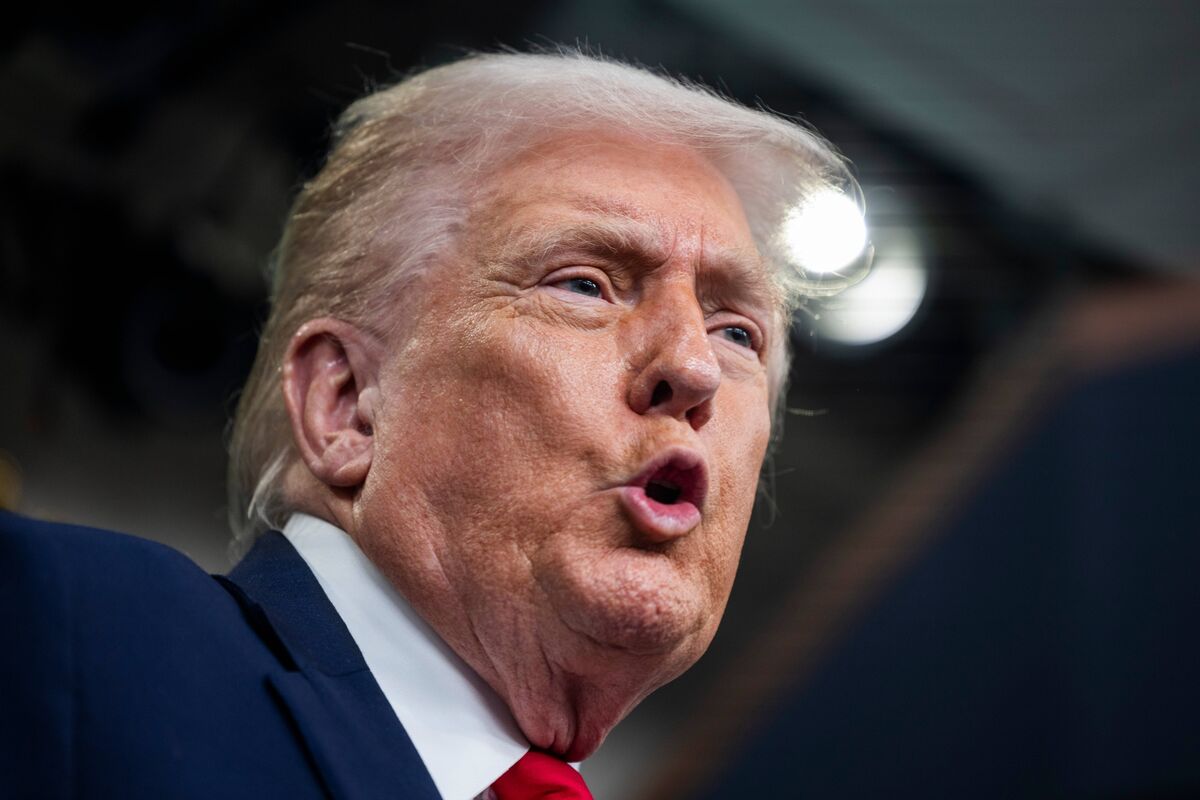
Meanwhile, former President Trump's warning to the UK regarding 'dangerous' China moves, following diplomatic exchanges between Beijing and London, highlights a fractured Western alliance. This divergence on China policy creates a complex environment for international business and investment. Companies caught between competing geopolitical pressures will face immense difficulty navigating compliance, market access, and reputational risks. The lack of a unified front emboldens Beijing and introduces a significant element of unpredictability into international relations, impacting everything from technology standards to resource access.
Beyond the geopolitical chessboard, national job stereotypes are proving increasingly obsolete, according to analysis from The Economist. This shift underscores a fundamental transformation in the global labor market, driven by automation, remote work, and the rise of new industries. For investors, this means traditional sector analyses and demographic assumptions may no longer hold. The ability to adapt to a fluid workforce, identify emerging skill demands, and understand the true drivers of productivity will be paramount. Ignoring this evolution risks misallocating capital and missing out on the next wave of economic growth.
These geopolitical and structural shifts are manifesting in volatile financial markets. As MarketWatch reports, stocks, gold, and copper are experiencing significant swings, indicating a lack of clear haven assets. Investors are scrambling for safety, but the interconnectedness of global risks means that traditional diversification strategies are under immense pressure. The simultaneous volatility across seemingly disparate asset classes suggests a pervasive sense of uncertainty, where capital is fleeing to perceived safety only to find it fleeting. This environment demands a highly agile and informed investment approach, moving beyond conventional wisdom to anticipate and navigate unprecedented volatility.
Market Insights
The current market turbulence is a stark reminder that investors have few places to hide. The interconnectedness of global economies means that geopolitical spats, like the US-Canada aircraft dispute, can have ripple effects far beyond the immediate trade partners. A retaliatory move from Canada could disrupt critical components for US manufacturers, impacting corporate earnings across multiple sectors. This uncertainty is driving the sharp price movements observed in stocks, gold, and copper. Gold's traditional role as a safe haven is being tested, while copper, a bellwether for industrial demand, reflects anxieties about global growth.
For active investors, this volatility presents both peril and opportunity. The decoupling of national economies and the redefinition of labor markets mean that traditional sector bets are increasingly risky. Instead, a focus on companies with resilient supply chains, adaptable business models, and exposure to long-term structural trends like digitalization and green energy will be crucial. The blurring lines between geopolitical risk and economic fundamentals require a more holistic analytical framework. Understanding how international relations directly impact commodity prices and corporate profitability is no longer optional; it's essential for survival and success in 2026.
The cryptocurrency market, while often seen as an uncorrelated asset class, is not immune to these broader market sentiments. Arbitrum (ARB), currently ranked 97, exemplifies the speculative nature of many altcoins. While offering potential for high returns, its price action will likely be influenced by overall market liquidity and risk appetite, which are currently constrained by global uncertainties. Investors considering such assets must be acutely aware of the amplified risk profile in the current climate.
References
- Trump Warns UK on ‘Dangerous’ China Moves After Xi-Starmer Talks - Bloomberg Markets
- National job stereotypes need updating - The Economist
- US threatens to ‘decertify’ Canadian aircraft as rift with Ottawa deepens - Financial Times
- Stocks, gold and copper see big swings that show investors have few places to hide - MarketWatch
- Arbitrum (ARB) - CoinGecko
Related Posts
Economics & Finance Trends - April 29, 2026
AI's changing market dominance and investor uncertainty dominate today's financial landscape.
April 29, 2026Economics & Finance Trends - April 28, 2026
Analysis of LNG market shifts and surprising US corporate profit strength.
April 28, 2026Economics & Finance Trends - April 27, 2026
US profits defy global woes, India faces currency pressure, and tech supply chains tighten.
April 27, 2026